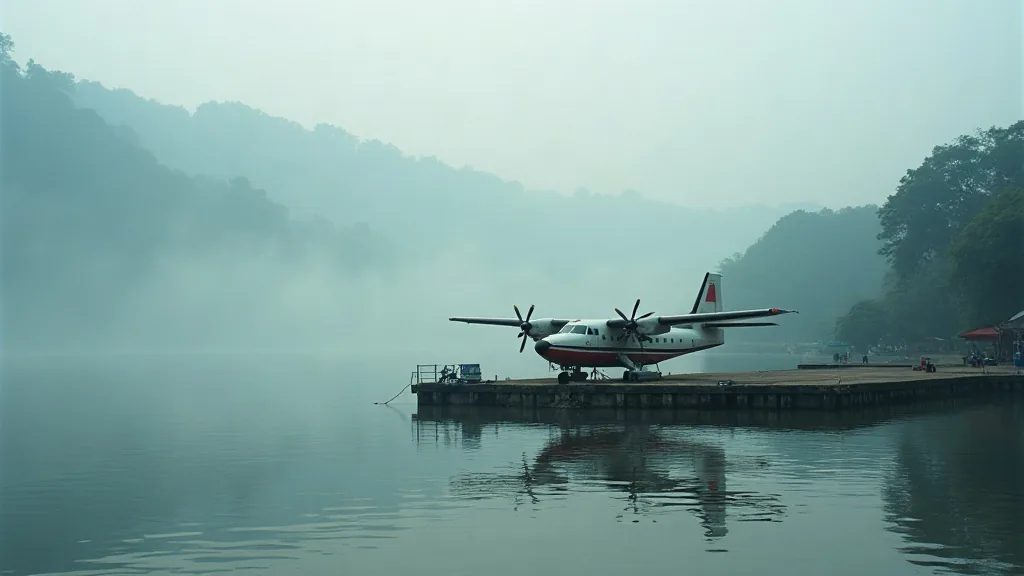
Bali Multi-Leg Island Seaplane Day
A multi-leg Bali seaplane day is priced sector by sector, not as one flat day rate — each stop adds a landing fee, waiting time on the crew duty clock, and sometimes a positioning leg, so a three-stop day costs meaningfully more than one long out-and-back flight. As of September 2026, a two-leg reef-and-return day, a three-leg island hop, and a four-leg full circuit sit in different price bands because of how sector count, not distance alone, drives the quote. This page lays out honest sample structures, what pushes the price up, and which months give the calmest water for the stops in between.
How many stops fit in one day?
The aircraft flown on Bali charters is a Cessna Caravan 208 EX Amphibian, chartered as a whole aircraft for up to 8 guests, based at Ngurah Rai International Airport in South Bali. A standard single-sector South Bali flight runs about 50 minutes, so the airframe itself can physically fly several sectors in a day. The real limit is crew duty time, daylight, and how long guests linger at each stop.
A workable day shape usually holds to two to four legs: a short flight out, a water stop for lunch, a snorkel break or a resort call, then the return leg back to Bali before dusk. Push past four legs and the day runs into crew duty limits or loses daylight before the last sector, which is why the desk caps most itineraries there rather than stacking in a fifth stop to save a transfer.
Table 1 — Sample day shapes (2026 indicative)
| Day shape | Sectors | Stops | Approx. flight + ground time | Guests | Indicative price band (whole aircraft)* |
|---|---|---|---|---|---|
| 2-leg Reef & Return | 2 | One water stop (snorkel or lunch) | ~1h40 flying + 2-3h at the stop | Up to 8 | Quote-based |
| 3-leg Island Hop | 3 | Two stops (e.g., snorkel point, then resort lunch) | ~2h30 flying + stops | Up to 8 | Quote-based |
| 4-leg Full Circuit | 4 | Three stops (snorkel, lunch, marina or resort call) | ~3h15 flying + stops | Up to 8 | Quote-based |
*Indicative bands, built from the operator’s published single-sector whole-aircraft charter rates (airport fees and tax shown separately) with each additional sector’s landing, handling and waiting cost layered on. Actual quotes are confirmed sector by sector with the operator and change with route, season and guest count.
Why do extra legs cost more than they look?
Two flights of 25 minutes each do not cost the same as one 50-minute flight, because a landing at a second location is not free. Every stop adds its own line items, and waiting time counts against the crew even when the aircraft is parked on the water with the engine off.
A Bali private-jet desk explains multi-sector pricing as additive: each sector — whether by jet or by seaplane — is priced on its own, driven by distance, aircraft type and ground handling, then summed. The same logic applies to a seaplane day with three or four stops.
Table 2 — Cost drivers per leg
| Driver | What it adds to the quote | Why it applies |
|---|---|---|
| Sector distance | Block time cost for that leg | Longer hops burn more flight time, billed per sector |
| Landing & water-base handling | Per-movement or per-passenger fee at each stop | Secondary bases and resort water points charge separately from the home base |
| Waiting time between legs | Crew duty hours while guests snorkel, dine or tour ashore | The duty clock runs whether the aircraft is flying or tied up |
| Positioning flight | An extra, sometimes empty, repositioning sector | Needed when a stop sits off the direct return path back to Bali |
| Crew duty and daylight limit | A cap on total sectors and hours per day | Regulatory duty limits, not aircraft range, usually set the ceiling |
| Season and demand | Peak-period pricing and tighter slot availability | July-August, Christmas-New Year, Easter and school holidays see the fewest open dates |
A three-stop day, in short, is not “three short flights for the price of one long one.” It is one aircraft charter plus two extra landings, two extra waiting windows, and in some routings, a positioning leg the guests never see on the itinerary map.
Which months are safest for sea landings?
Dry season, April through October, gives calmer water and clearer light for the photo-heavy legs of a multi-stop day. Wet season, November through March, raises the chance a leg gets postponed or the day gets reshaped around weather.
Rain is not actually the deciding factor — sea state, wind and remaining daylight are. A water landing needs a workable sea state at that specific point, approved in advance by the operator and the relevant authority; the amphibious Caravan can use the runway or the water, but it cannot simply put down on any beach on the day. Midday sea breeze matters too, since it tends to pick up through the afternoon and can affect a day’s later legs more than its morning ones. Multi-leg days booked in the shoulder months of April-May or September-October, outside the July-August and holiday peaks, tend to have both calmer water and more open aircraft slots.
How booking a multi-leg island day works
- Share the shape you want. Number of stops, rough islands or points of interest, guest count and preferred date.
- The desk checks duty-time, season and slot availability with the licensed operator before quoting, so the itinerary is flyable, not just plotted on a map.
- You get a sector-by-sector indicative quote — each leg, each stop’s handling fee, and any positioning sector itemized, not a single opaque number.
- A deposit confirms the date and reserves the aircraft slot with the operator; quotes are indicative until deposit.
- The day before departure, sea state and weather are reconfirmed, and the desk adjusts the sequence if one leg needs to be swapped or dropped.
Design my island day. Bali Seaplane Charter is an independent coordination desk of Juara Holding Group (established 2015); it does not own or operate aircraft and is not affiliated with any named operator. Tell the desk your stop count, islands of interest and guest number, and the team will build a sector-by-sector plan with a licensed operator and return an itemized indicative quote — WhatsApp 6281139414563 or bd@juaraholding.com.
Frequently Asked Questions
Can we choose which islands or stops go into our multi-leg seaplane day?
Yes, within what duty-time and daylight allow. Most days hold to two to four sectors so the crew stays within limits and the aircraft is back in Bali before dusk. The desk checks each proposed stop’s approved water-landing status with the operator before it goes into the itinerary and quote.
How long can we spend at each stop before the price changes?
Waiting time is billed as part of crew duty, so a longer lunch or snorkel stop adds to the day’s cost even though the aircraft is parked. The desk asks for your planned time at each stop upfront so the sector-by-sector quote reflects it honestly, rather than surprising you afterward.
What happens if weather cancels one leg but not the others?
Sea state, wind and daylight are assessed per stop, not for the whole day at once, so one leg can be swapped or postponed while the rest proceeds. The desk rebuilds the sequence with the operator and reconfirms pricing for the adjusted itinerary before departure.
Is lunch or snorkeling included in the seaplane charter price?
The seaplane charter itself covers the aircraft, crew, sectors and water-base landing fees; shore activities like a resort lunch or a guided snorkel session are typically arranged as a separate add-on through the desk. Ask for these to be itemized alongside the flight quote so nothing is bundled unclearly.
How many guests can join one multi-leg seaplane day?
The Cessna Caravan 208 EX Amphibian used on these charters seats up to 8 guests as a whole-aircraft charter — there is no per-seat booking. Groups larger than 8 would need a second aircraft or a different day plan, which the desk can also help sequence.